
New Electric Car: A Real-World Ownership and Decision Guide for U.S. Drivers
Explore what defines a new electric car, analyze real-world range, charging behavior, incentives, and ownership economics to decide if an EV truly fits your routine.
In the current U.S. market, EVs represent a mature and rapidly evolving segment that blends technology, efficiency, and long-term cost control.
What separates a good electric car purchase from a disappointing one is not hype, but understanding how EVs behave in daily life, and how ownership costs evolve over time.
Discover the newest 2025 electric SUV models and compare real range, pricing, charging speed, and tech features to choose the perfect EV.
See How Daily Driving Changes With a New Electric Car 🧠
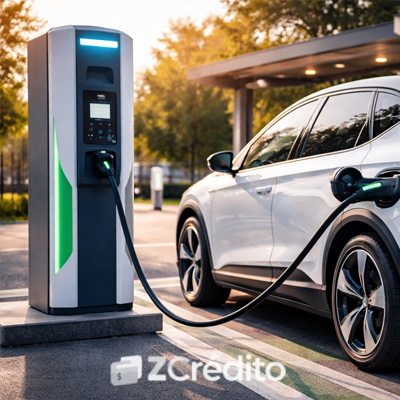
Driving a new electric car feels fundamentally different from driving a gasoline vehicle. Electric motors deliver power instantly, eliminating gear changes and engine lag.
Stop-and-go driving benefits the most from electrification. Regenerative braking converts deceleration into usable energy, improving efficiency while reducing brake wear.
Daily driving differences include:
- Instant torque with no gear shifts
- Quieter cabin experience, especially at low speeds
- Reduced brake wear due to regenerative braking
- More relaxed urban driving behavior
Discover how auto financing pre qualify can help you drive an electric or hybrid car!

Battery Degradation, Longevity, and Warranty Reality 🔋
Battery lifespan is a common concern when buying a new electric car.
Modern EV batteries are engineered for durability, supported by advanced thermal management systems and long manufacturer warranties.
While batteries do degrade gradually, most retain a high percentage of their original capacity for many years.
Degradation tends to be faster early on and then stabilizes, rather than declining linearly.
Key facts about EV battery longevity include:
- Typical warranties of 8–10 years or specific mileage limits
- Gradual capacity loss, not sudden failure
- Thermal management systems that protect battery health
- Driving and charging habits that influence long-term performance
Battery Longevity Overview Table 📊
| Aspect | Realistic Expectation |
| Warranty Coverage | 8–10 years |
| Annual Degradation | Low and gradual |
| Replacement Likelihood | Rare within warranty |
| Long-Term Usability | Suitable for extended ownership |
Learn Charging Behavior and Real Charging Habits 🔌
Owning a new electric car changes how drivers think about refueling.
Instead of visiting gas stations weekly, most EV owners charge at home or work, integrating charging into daily routines.
Fast charging becomes relevant mainly for road trips. Understanding charging curves is important, as charging speed slows significantly after 80% to protect battery health.
Real charging behavior typically involves:
- Overnight home charging as the primary source
- Workplace charging when available
- DC fast charging for long-distance travel
- Charging to 80% for optimal efficiency on trips
Charging Behavior Comparison Table 📊
| Charging Context | Typical Use |
| Home Level 2 | Daily replenishment |
| Workplace Charging | Supplemental convenience |
| DC Fast Charging | Road trips and emergencies |
| Public Level 2 | Occasional top-ups |
Range Planning and Driving Strategy 🚗
Range planning is an essential skill for new electric car owners, especially during the transition period from gasoline vehicles.
Unlike fuel gauges, EV range estimates adapt dynamically based on recent driving behavior.
Highway speeds, cold weather, and heavy loads reduce range, while urban driving often extends it. Most EV drivers naturally adapt their driving style over time.
Range planning considerations include:
- Monitoring energy consumption trends
- Adjusting speed on long trips
- Using built-in navigation with charging planning
- Accounting for weather-related losses
Take a closer look at the Tesla Model Y, America’s best-selling EV that delivers class-leading technology, safety, and performance.
View the Financial Reality of Owning a New Electric Car 💰
The financial appeal of a new electric car extends beyond fuel savings. Reduced maintenance, predictable energy costs, and incentives combine to reshape total cost of ownership.
While upfront prices can be higher, long-term ownership often favors EVs, particularly for drivers with moderate to high annual mileage.
Financial characteristics of EV ownership include:
- Lower cost per mile compared to gasoline vehicles
- Minimal routine maintenance
- Potential tax credits and state incentives
- Stable operating expenses over time
Ownership Cost Comparison Table 📊
| Cost Category | Electric Car | Gasoline Car |
| Energy Cost | Lower | Higher |
| Maintenance | Low | Moderate to high |
| Routine Service | Minimal | Frequent |
| Cost Predictability | High | Variable |
Environmental Impact in Practical Terms 🌱
A new electric car eliminates tailpipe emissions, improving air quality in cities.
Overall environmental impact depends on electricity sources, which continue to become cleaner across the U.S.
Battery production does involve environmental costs, but these are offset over time through lower operational emissions and emerging recycling programs.
Software, Updates, and the EV Ownership Experience 📱
Software plays a central role in modern EVs. A new electric car often improves over time through over-the-air updates that enhance efficiency, add features, or refine driving behavior.
This software-driven model changes the traditional ownership experience, making vehicles feel more dynamic and adaptable.
Software-driven advantages include:
- Over-the-air updates without dealership visits
- Smart energy management systems
- Advanced driver-assistance features
- Integrated route and charging planning
New Electric Car vs Hybrid vs Gasoline in Daily Use 🆚
Comparing a new electric car to hybrids and gasoline vehicles reveals practical trade-offs rather than absolute winners.
| Use Case | Electric | Hybrid | Gasoline |
| City Driving | Excellent | Good | Average |
| Highway Trips | Good | Good | Excellent |
| Maintenance | Low | Medium | High |
| Emissions | Zero tailpipe | Reduced | High |
Why a New Electric Car Makes Sense for the Next Decade 🚀
The new electric car represents a durable shift in transportation rather than a temporary trend.
Infrastructure growth, battery improvements, and regulatory alignment continue to strengthen the case for electrification.
For buyers who plan ahead and understand real-world EV behavior, electric cars offer a compelling balance of efficiency, technology, and long-term value.
FAQ ❓
- Do electric car batteries degrade quickly?
- Modern batteries degrade slowly and predictably over many years.
- Modern batteries degrade slowly and predictably over many years.
- Is home charging essential for EV ownership?
- Home charging greatly improves convenience but is not strictly mandatory.
- Home charging greatly improves convenience but is not strictly mandatory.
- How does winter affect electric cars?
- Cold weather can reduce range temporarily, but systems adapt.
- Cold weather can reduce range temporarily, but systems adapt.
- Are electric cars cheaper to own long term?
- For many drivers, lower energy and maintenance costs reduce total ownership cost.
- For many drivers, lower energy and maintenance costs reduce total ownership cost.
- Can electric cars handle long road trips?
- Yes, with fast-charging networks and proper planning.
- Yes, with fast-charging networks and proper planning.
