
Motorcycle Financing: How to Plan, Compare, and Finance a Bike Without Financial Stress
Discover how motorcycle financing can be customized through different lenders to match your income, bike type, and long-term plans.
When riders approach financing with planning and comparison, they reduce the risk of overpaying interest and gain flexibility to adapt their budget throughout the loan period.
This mindset transforms financing into a strategic decision rather than a rushed obligation.
Discover how comparing the best motorcycle loans can help you save money, secure better APR, and finance high-performance bikes.
Why Motorcycle Financing Depends on Riding Profile and Usage 💰
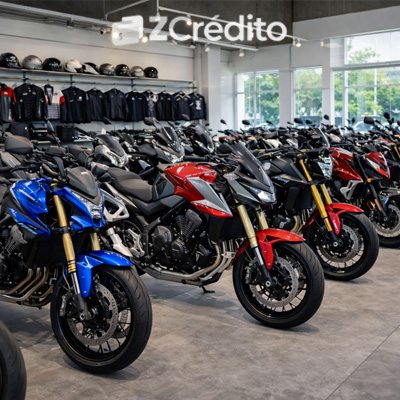
Unlike cars, motorcycle financing is strongly affected by how the bike will be used. Daily commuters, weekend riders, and long-distance touring enthusiasts create very different risk profiles for lenders.
Mileage expectations, storage conditions, and maintenance frequency all influence depreciation and insurance costs, which lenders indirectly factor into approval conditions and pricing.
- Daily-use motorcycles tend to depreciate faster
- Seasonal riders may prefer shorter loan terms
- High-mileage touring bikes impact resale projections
- Garage-kept motorcycles reduce perceived risk
- Limited-use bikes support lower long-term cost planning
Learn how the low credit motorcycle loan programs in 2025!

Motorcycle Financing Options Based on Lender Type 🏦
Knowing how each lender structures motorcycle financing allows buyers to compare more than just interest rates.
Bank Motorcycle Financing Focused on Credit Strength 🏛️
Banks usually treat motorcycle loans as higher-risk assets than auto loans. As a result, financing through banks often emphasizes strong credit profiles and stable income.
Typical characteristics include:
- Moderate to higher APRs compared to auto loans
- Strict approval criteria tied to credit score
- Standard loan terms between 36 and 72 months
- Clear payoff schedules with limited flexibility
Banks work best for riders with strong credit and predictable finances.
Credit Union Built Around Member Value 🤝
Credit unions often design motorcycle financing programs that prioritize affordability and long-term member relationships rather than short-term profit.
Common features include:
- Lower interest rates than many banks
- Reduced fees and clearer contracts
- Greater flexibility in underwriting decisions
- Occasional extensions in repayment length
For many riders, credit unions provide the most balanced financing experience.
Dealership and Brand-Specific Structures 🏍️
Dealership financing is often tied to specific manufacturers or promotional periods. While convenient, motorcycle financing through dealers can vary widely in quality.
Riders should evaluate:
- Brand-linked promotional rates
- Add-on costs bundled into financing
- Short-term incentives with long-term cost trade-offs
Arriving with external pre-approval significantly improves decision-making.
Evaluating Financing From a Total Ownership View 📊
Smart financing decisions consider total ownership cost rather than monthly payment alone.
Ownership Costs That Affect Financing Decisions 🔍
- Interest paid over the full term
- Insurance premiums during loan period
- Maintenance and parts availability
- Resale value at loan midpoint
- Flexibility to refinance later
This broader view prevents budget surprises.
Ready to finance your next motorcycle? Discover how lenders evaluate motorcycle loan approval and prepare before applying.
Motorcycle Financing Comparison by Lender Type 📋
| Lender Category | Interest Trend | Term Flexibility | Ideal Rider Profile |
| Bank | Medium–High | Moderate | Strong credit holders |
| Credit Union | Low–Medium | High | Cost-focused riders |
| Dealership | Variable | Low–Medium | Brand-loyal buyers |
Comparing these structures helps riders match financing to their profile.
How Loan Duration Changes Financing Outcomes 📈
Loan duration plays a defining role in motorcycle financing. Short loans reduce interest exposure but increase monthly commitment, while long loans ease cash flow but raise total cost.
The ideal term depends on income stability, riding frequency, and plans to upgrade or sell the motorcycle.
Loan Term Impact on Financing Costs 📋
| Loan Length | Payment Pressure | Total Interest | Strategic Use |
| 36 months | High | Low | Rapid ownership |
| 48 months | Moderate | Medium | Balanced planning |
| 60 months | Low | Higher | Income flexibility |
| 72–84 months | Lowest | Highest | Short-term relief |
Understanding this balance helps riders avoid regret.
Pre-Approval as a Planning Tool in Motorcycle Financing ✅
Pre-approval transforms motorcycle financing into a controlled process. Instead of reacting to dealership offers, riders enter negotiations with defined limits.
Benefits include:
- Clear maximum loan amount
- Stronger negotiation leverage
- Reduced pressure during purchase
- Protection against inflated offers
Prepared riders consistently secure better terms.
What Lenders Analyze in Motorcycle Financing Applications 📊
Lenders assess more than credit score when reviewing financing applications.
Borrower Stability and Financial Behavior 📂
Income consistency, existing debt obligations, and payment history influence approval conditions and interest rates.
Motorcycle Characteristics and Market Demand 🚘
Engine displacement, bike category, and resale demand directly affect risk evaluation and pricing.
A Strategic Ownership Perspective on Motorcycle Financing 🚦
Securing effective motorcycle financing requires aligning loan structure with riding habits, financial stability, and long-term goals.
By comparing lender models, analyzing ownership costs, and using pre-approval strategically, riders gain confidence and control.
Motorcycle financing becomes a tool for ownership freedom when approached with planning, clarity, and discipline.
FAQ ❓
1. Does riding frequency affect financing terms?
- Lenders indirectly consider usage patterns through risk and resale projections.
2. Are credit unions better for financing than banks?
- Credit unions often offer more flexible and affordable terms, depending on the rider profile.
3. Should accessories be included?
- Financing accessories usually increases interest cost and is often discouraged.
4. Is pre-approval necessary for used motorcycles?
- Pre-approval helps control budget and negotiation even for used bikes.
5. Can motorcycle financing be adjusted later?
- Many lenders allow refinancing if conditions improve.
