
Economical Electric Cars Designed to Reduce Ownership Costs in the United States
Before committing to a new vehicle, understanding how economical electric cars perform in range, charging, and ownership costs can help you avoid overspending.
Economical electric cars have evolved into a practical and financially rational alternative for U.S. drivers who prioritize cost efficiency over luxury branding.
Rather than focusing on performance extremes or premium finishes, these vehicles emphasize energy efficiency, simplified maintenance, and balanced real-world usability.
Choosing economical EVs today can mean lower monthly expenses, and a more predictable budget, especially for drivers who want long-term financial control in 2025.
Discover how new electric cars under 30k are expanding access to electric mobility in the United States, with detailed specifications.
How Economical Electric Cars Fit Modern U.S. Budgets 🚗

Electricity prices in most U.S. states remain more stable than gasoline, allowing drivers to forecast monthly transportation costs with greater accuracy.
Additionally, electric drivetrains reduce mechanical complexity.
Fewer moving parts, no oil system, and less heat-related wear significantly lower the frequency and cost of routine service, which directly benefits cost-conscious owners.
- Lower cost per mile compared to gasoline-powered compact cars
- Reduced maintenance schedules with fewer consumables
- Eligibility for incentives that reduce effective purchase price
- Improved long-term reliability consistency due to simplified systems
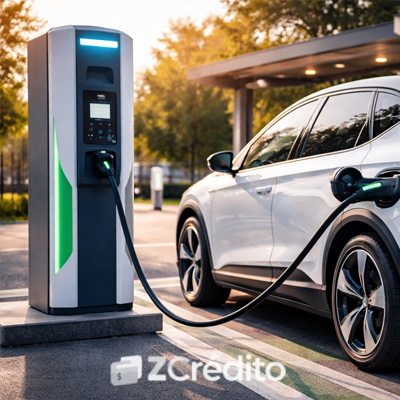
Understand Total Ownership Cost of Economical Electric Cars 💰
Evaluating economical EVs requires shifting attention from MSRP to total ownership cost.
Over a multi-year period, energy savings and maintenance reductions can compensate for higher initial prices.
For drivers with access to home charging, the savings become more pronounced.
Overnight charging at residential electricity rates dramatically lowers operating expenses when compared to frequent gasoline refueling.
| Expense Category | Gasoline Vehicle | Economical Electric Cars |
| Energy | Variable and volatile | Lower and more predictable |
| Routine Maintenance | Regular engine service | Minimal mechanical service |
| Brake Wear | Frequent replacement | Extended lifespan via regeneration |
| Unexpected Repairs | Moderate risk | Reduced mechanical exposure |
This structure illustrates why economical electric cars often outperform traditional vehicles in cost predictability.
Economical Electric Cars Offering the Best Practical Specifications 🔋
Chevrolet Bolt EV Focused on Efficiency and Range ⚡
The Chevrolet Bolt EV remains one of the most recognized economical electric cars due to its balanced combination of range, affordability, and reliability.
Its compact size makes it suitable for urban and suburban use without sacrificing daily driving confidence.
Key technical details of the Chevrolet Bolt EV include:
- Battery capacity: 65 kWh lithium-ion
- EPA-estimated range: 259 miles
- Motor output: 200 horsepower / 266 lb-ft torque
- Fast charging: DC fast charging to 80% in ~30 minutes
These specifications position the Bolt EV as a cost-efficient solution for drivers who need flexibility without premium pricing.
Nissan Leaf Built for Predictable Daily Driving 🏙️
The Nissan Leaf continues to appeal to buyers seeking economical electric cars optimized for consistent daily routines.
While its range is more conservative, it remains adequate for commuting, errands, and local travel.
Technical highlights of the Nissan Leaf include:
- Battery configurations: 40 kWh (standard) and 60 kWh (Plus)
- EPA range: Up to 212 miles (standard version)
- Drivetrain layout: Single-motor front-wheel drive
- Charging system: CHAdeMO DC fast charging
The Leaf’s long production history contributes to lower ownership risk through widespread service availability.
Hyundai Kona Electric Balancing Range and Warranty Support 🔌
The Hyundai Kona Electric competes strongly among economical EVs by offering long range, compact dimensions, and strong manufacturer backing.
Its efficiency allows it to rival more expensive EVs in daily usability.
Technical specifications of the Hyundai Kona Electric include:
- Battery capacity: 64 kWh
- EPA range: 258 miles
- Power output: 201 horsepower
- Battery warranty: 10 years / 100,000 miles
This warranty coverage significantly reduces long-term financial uncertainty for first-time EV buyers.
Technical Comparison of Economical Electric Cars in the U.S. 📈
| Model | Battery (kWh) | EPA Range (miles) | Power (hp) | Approx. Price (USD) |
| Bolt EV | 65 | 259 | 200 | 27,000 |
| Leaf | 40 | 212 | 147 | 28,000 |
| Kona Electric | 64 | 258 | 201 | 34,000 |
Charging Access and Daily Usability of Economical EVs ⚙️
For most owners, economical EVs integrate easily into daily routines.
Home charging remains the most cost-effective solution, enabling drivers to recharge overnight without disrupting schedules.
Public charging networks act as a supplementary option rather than a daily requirement.
While charging speeds are modest compared to premium EVs, they remain sufficient for occasional long-distance travel.
Incentives and Financial Support for Economical EVs 🧾
Federal tax credits and regional incentives continue to influence the affordability of economical EVs. When applicable, these programs can significantly reduce upfront costs.
Used EV credits further expand access, allowing buyers to enter the electric market at substantially lower price points.
Discover how electric car Chevrolet models combine Ultium battery technology, competitive range, and real-world performance.
Ownership Factors to Evaluate Before Choosing Economical Electric Cars 🛠️
Prospective owners should consider:
- Consistency of daily mileage
- Availability of home or workplace charging
- Battery warranty and long-term support
- Local electricity pricing versus fuel costs
These factors ensure that economical EVs deliver measurable financial benefits over time.
Economical Electric Cars Compared With Gasoline Alternatives 🔄
When analyzed side by side, economical EVs frequently demonstrate lower lifetime costs even if initial payments appear similar.
Energy savings accumulate steadily, especially for high-mileage drivers.
In addition, EVs offer smoother acceleration, quieter cabins, and reduced vibration, enhancing perceived value without increasing ownership complexity.
Long-Term Financial Perspective on Economical Electric Cars 🚘
From a long-term viewpoint, economical EVs represent a shift toward cost stability and reduced dependency on volatile fuel markets.
As charging infrastructure expands and battery performance stabilizes, resale confidence is expected to improve.
Selecting economical electric cars today reflects a pragmatic approach to transportation, where efficiency, predictability, and financial sustainability outweigh short-term trends.
FAQ ❓
- Are economical EVs expensive to insure?
- Insurance costs may be slightly higher than gasoline cars, but savings in fuel and maintenance often offset this difference.
- How often do EV batteries need replacement?
- Modern EV batteries are designed to last many years, supported by long manufacturer warranties.
- Do economical EVs require daily charging?
- Most drivers only need to charge every few days, depending on daily mileage and battery size.
- Are economical EVs suitable for cold climates?
- They can operate in cold conditions, though range may decrease slightly in extreme temperatures.
- Can economical electric cars really reduce long-term expenses?
- Yes, when energy savings, maintenance reduction, and incentives are combined, long-term costs are often lower.
