
Auto Financing Options That Give You More Control and Better Financial Outcomes in the U.S.
Start by understanding how financing choices work in the U.S. market, how lenders price risk, and how auto financing options shape ownership, cash flow, and total vehicle cost over time.
Choosing among modern auto financing options in the United States requires far more than chasing the lowest monthly payment.
In this environment, informed decisions protect cash flow, preserve flexibility, and reduce long-term financial pressure.
Take action now and review financing paths that truly match your budget, vehicle goals, and long-term stability.
Analyze how the Subaru Impreza combines standard AWD, balanced engineering, and predictable fuel efficiency.
How Auto Financing Options Operate in the Current U.S. Market 🚗

Lenders evaluate income stability, credit behavior, vehicle age, and expected usage before approving any structure.
As a result, the same vehicle can generate very different offers depending on the applicant and the financing model selected.
When interest rates rise, lenders tend to extend loan terms to maintain affordability, which increases the importance of analyzing total cost instead of focusing only on monthly payments.
Key variables that influence financing outcomes include:
- Vehicle age and condition, which affect depreciation risk
- Loan duration, directly impacting interest accumulation
- Down payment size, reducing lender exposure
- Credit behavior, determining rate tiers and approval flexibility
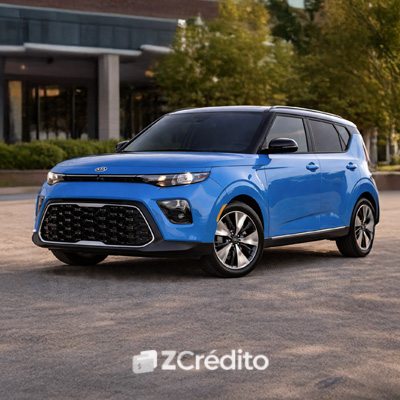
Ownership-Based Financing and Traditional Loan Models 🚙
Traditional auto loans remain one of the most common structures for buyers who value ownership and long-term value retention.
With this model, each monthly payment reduces the principal balance and builds equity, leading to full ownership once the loan is satisfied.
This approach works best for drivers planning to keep their vehicle for several years.
There are no mileage limits, no return conditions, and complete freedom to sell, trade, or modify the vehicle at any time. For stable income profiles, this structure offers predictability and control.
However, ownership financing also carries responsibility. Vehicles depreciate, and longer loan terms significantly increase interest paid over time.
Buyers who extend loans purely to lower payments often face negative equity, especially in the early years of ownership.
Bank Loans Versus Credit Union Auto Financing Options 🏦
Banks and credit unions approach auto lending differently, which directly affects approval criteria and pricing.
Banks usually rely on automated underwriting systems, offering competitive rates to borrowers with strong credit profiles.
Credit unions, on the other hand, often evaluate applications more holistically and tend to provide lower average rates, especially for used vehicles.
Common differences include:
- Banks favor standardized approvals and faster processing
- Credit unions offer more flexible credit evaluation
- Credit unions frequently provide stronger refinancing options
For many borrowers, credit unions represent one of the most cost-efficient paths when traditional bank rates are less favorable.
Leasing as a Flexible Alternative for Modern Drivers 🚘
Leasing has regained popularity as a strategic alternative for drivers who prioritize lower monthly payments and predictable commitments.
Instead of financing full ownership, lessees pay only for the vehicle’s depreciation during the lease term.
This structure reduces upfront costs and shifts long-term depreciation risk away from the driver.
Leasing is particularly attractive for individuals who prefer driving newer vehicles every few years or who want to avoid long-term maintenance uncertainty.
Primary advantages of leasing include:
- Lower monthly payments compared to loans
- Access to newer vehicles with updated technology
- Reduced exposure to long-term depreciation
- Shorter contractual commitments
That said, leasing requires discipline. Mileage limits and condition standards must be respected to avoid penalties, making this option best suited for predictable driving patterns.
Lease Buyouts and Transitional Ownership Paths 🚘
A lease buyout offers a hybrid path that combines short-term affordability with long-term ownership potential.
At the end of the lease, drivers can purchase the vehicle at a predetermined residual price, often below market value.
This option becomes appealing when:
- The vehicle has been well maintained
- Used vehicle prices remain elevated
- The driver prefers continuity over replacing the car
Lease buyouts can be financed through banks or credit unions, sometimes at competitive rates, allowing drivers to transition into ownership without restarting the buying process.
Explore the Toyota RAV4 thoroughly and understand how its trims, efficiency, and ownership profile align with everyday driving needs.
Compare Major Auto Financing Options by Purpose 📊
| Financing Structure | Ownership Outcome | Ideal Use Case |
| Traditional Loan | Full ownership | Keeping the vehicle for years |
| Leasing | No ownership | Frequent vehicle upgrades |
| Lease Buyout | Ownership after lease | Value-driven decisions |
| Manufacturer Programs | Varies | Incentive-based purchases |
Manufacturer-Supported Financing and Incentive Programs 🚗
Automaker-backed programs play a significant role in shaping financing decisions, especially for new vehicles.
These programs often include promotional interest rates, deferred payments, or loyalty incentives tied to specific models.
Such offers can outperform external loans, but they are typically limited to buyers with strong credit profiles and apply only to selected inventory.
External pre-approval remains essential to ensure leverage and transparency during negotiations.
Common benefits of manufacturer financing include:
- Simplified approval at dealerships
- Promotional APR offers on selected models
- Brand loyalty incentives
Comparing these offers with independent lenders ensures that convenience does not overshadow long-term cost efficiency.
Key Cost Drivers That Shape Auto Financing Options Outcomes 📉
Several variables determine the real cost of financing beyond monthly payments. Ignoring these factors often leads to inflated total expenses over time.
Primary cost drivers include:
- Interest rate applied to the balance
- Repayment term length
- Down payment size
- Vehicle depreciation curve
Longer terms reduce monthly obligations but significantly increase total interest paid. Shorter terms raise payments but minimize long-term cost and equity risk.
How Loan Length Impacts Total Cost 📊
| Loan Term | APR | Monthly Payment | Total Interest |
| 48 months | 6.0% | $586 | $2,130 |
| 60 months | 6.5% | $489 | $3,340 |
| 72 months | 7.0% | $418 | $4,960 |
Align Auto Financing Options With Different Financial Situations 💡
Every buyer approaches financing from a unique financial position. Income stability, savings, and future plans all influence which structure makes sense.
Some prioritize payment predictability, others focus on minimizing interest exposure, while some value flexibility above all else.
The best outcomes occur when financing aligns with realistic expectations rather than idealized scenarios.
A disciplined approach includes:
- Avoiding overextension on monthly payments
- Preserving emergency savings
- Planning for income changes
- Considering future refinancing opportunities
Financing should support financial resilience, not undermine it.
Break down Hyundai Elantra cost using engineering data and ownership metrics so you understand how they translate into real financial impact.
Create Long-Term Value Through Smarter Auto Financing Options 🚀
Selecting among auto financing options is ultimately about control and foresight.
Buyers who analyze total cost, flexibility, and long-term impact gain an advantage over those reacting to sales pressure.
A well-structured decision reduces stress, protects cash flow, and allows adjustments as personal or market conditions evolve.
When financing aligns with broader financial goals, vehicle ownership becomes a strategic tool rather than a recurring burden.
Buyers who compare structures carefully and understand the implications of each option build sustainable outcomes that extend far beyond the showroom.
FAQ ❓
1. Can flexible financing lower long-term vehicle cost?
- Flexibility reduces risk, but total cost depends on interest rate and term length.
2. Are shorter loan terms always financially better?
- Shorter terms reduce interest but require higher monthly payments.
3. Is leasing suitable for long-term ownership goals?
- Leasing is better suited for short-term usage and predictable driving patterns.
4. Do promotional offers always reduce financing costs?
- Promotions help only when paired with competitive interest conditions.
5. Can financing be adjusted after purchase?
- Refinancing and buyout options allow adjustments when credit or market conditions improve.
