
Cell Phones for Business With 2025 Hardware, Performance, and Enterprise Focus
Start by evaluating the latest cell phones for business designed to handle heavier workloads, AI-powered tools, and stricter data-protection requirements.
Smartphones released in 2025 represent a major step forward in processing power, efficiency, and long-term reliability.
For companies, this means faster multitasking, improved battery endurance, stronger encryption, and longer update cycles.
Take action now and align your company’s mobile strategy with the most advanced hardware available this year.
Learn how to identify smartphones under 300 that truly deliver smooth performance, reliable cameras, and long battery life.
Technical Standards That Define the Best Cell Phones for Business 📱

Business devices released in 2025 are built around new technical baselines. These standards improve performance consistency and extend usable lifespan.
Key technical requirements now expected in cell phones for business include:
- Next-generation flagship processors (3 nm or improved efficiency nodes)
- Minimum of 12 GB RAM for sustained multitasking
- UFS 4.0 or NVMe-class storage
- Advanced AI acceleration on-device
- Wi-Fi 7, Bluetooth 5.4+, and global 5G support
- Hardware-level security modules
These features ensure reliability under constant professional workloads.
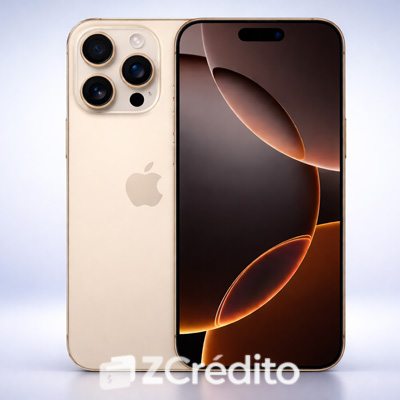
Apple iPhone 16 Pro Technical Profile for Business Use 🍎
The iPhone 16 Pro is one of the most advanced cell phones for business in 2025, offering exceptional performance and long-term software stability.
Key technical specifications:
- Processor: Apple A18 Pro (3 nm architecture)
- RAM: 8–10 GB optimized unified memory
- Storage: NVMe-based storage up to 1 TB
- Display: 6.3-inch LTPO OLED, 120 Hz ProMotion
- Battery: Enhanced lithium-ion system with AI power optimization
- Connectivity: 5G (mmWave + sub-6), Wi-Fi 7, Bluetooth 5.4
From an enterprise perspective, Secure Enclave, Face ID, and full-disk encryption make this device ideal for leadership roles and sensitive communications. Apple’s extended update policy ensures years of security support.
Samsung Galaxy S25 Ultra for High-Performance Cell Phones for Business Workloads 📱
The Galaxy S25 Ultra targets professionals who demand top-tier multitasking and productivity features.
Technical highlights:
- Processor: Snapdragon 8 Gen 4 for Galaxy
- RAM: 12–16 GB
- Storage: UFS 4.0 up to 1 TB
- Display: 6.9-inch Dynamic AMOLED 2X, QHD+, 120 Hz
- Battery: 5,200 mAh with advanced fast charging
- Connectivity: 5G, Wi-Fi 7, Bluetooth 5.4
Samsung Knox provides hardware-backed security, secure boot, and granular enterprise control.
Combined with S Pen support, this phone excels in document review, note-taking, and multitasking-heavy roles.
Google Pixel 9 Pro for AI-Driven Business Environments 🤖
The Pixel 9 Pro stands out among cell phones for business due to its deep AI integration and direct Google software support.
Technical specifications:
- Processor: Google Tensor G4
- RAM: 12–16 GB
- Storage: UFS 4.0 up to 1 TB
- Display: 6.7-inch LTPO OLED, 120 Hz
- Battery: 5,100 mAh with adaptive AI battery management
- Connectivity: 5G, Wi-Fi 7, Bluetooth 5.4
The Titan M3 security chip enhances hardware-level protection, while guaranteed long-term Android updates make this device ideal for organizations.
Samsung Galaxy Z Fold 6 for Advanced Multitasking Roles 📂
For professionals who replace tablets or laptops on the go, the Galaxy Z Fold 6 delivers unmatched versatility among cell phones for business.
Technical profile:
- Processor: Snapdragon 8 Gen 4
- RAM: 12 GB
- Storage: UFS 4.0 up to 1 TB
- Main Display: 7.8-inch foldable AMOLED, 120 Hz
- Cover Display: 6.3-inch AMOLED
- Battery: Dual-cell 4,600 mAh system
This model supports multi-window productivity, large spreadsheets, presentations, and document workflows, all protected by enterprise-grade Knox security.
Motorola Edge 50 Ultra (2025) for Cost-Controlled Enterprise Deployment 📞
The Motorola Edge 50 Ultra (2025) is a strong option for companies seeking modern hardware with controlled costs.
Technical specifications:
- Processor: Snapdragon 8s Gen 3
- RAM: 12 GB
- Storage: UFS 4.0
- Display: 6.7-inch OLED, 144 Hz
- Battery: 5,200 mAh with ultra-fast charging
- Connectivity: 5G, Wi-Fi 7, Bluetooth 5.4
Motorola’s near-stock Android environment reduces system overhead and improves stability, making this phone suitable for large team deployments.
Technical Comparison of Cell Phones for Business 📊
| Device | Processor | Battery | Security Architecture |
| iPhone 16 Pro | A18 Pro | Optimized | Secure Enclave |
| Galaxy S25 Ultra | Snapdragon 8 Gen 4 | 5,200 mAh | Knox |
| Pixel 9 Pro | Tensor G4 | 5,100 mAh | Titan M3 |
| Galaxy Z Fold 6 | Snapdragon 8 Gen 4 | 4,600 mAh | Knox |
| Edge 50 Ultra | Snapdragon 8s Gen 3 | 5,200 mAh | Android encryption |
Match 2025 Cell Phones for Business Roles 💡
Different professional roles require different technical strengths. Executives often prioritize security and ecosystem integration, while field teams need battery endurance and connectivity.
Creative and analytical roles benefit from large displays and multitasking power.
A role-based selection strategy considers:
- Processing power and RAM for workload intensity
- Battery capacity for mobility
- Security hardware for sensitive data
- Update longevity for lifecycle management
Aligning device capabilities with job requirements maximizes productivity and cost efficiency.
Understand how modern cell phones for seniors are engineered with accessibility-first hardware, and safety-focused features.
Long-Term Value of Choosing 2025 Cell Phones for Business 🚀
From a business standpoint, newer hardware translates into longer usable life.
Devices launched in 2025 offer better efficiency, stronger AI capabilities, and longer software support, reducing replacement cycles and IT complexity.
Choosing modern cell phones for business ensures that teams remain productive, secure, and adaptable as enterprise software and security requirements continue to evolve.
FAQ ❓
1. Are 2025 smartphones significantly better for business use?
- Yes, they offer stronger processors, better security, and longer update support.
2. How much RAM is recommended in 2025 business phones?
- At least 12 GB for consistent multitasking and AI-powered tools.
3. Is Wi-Fi 7 important for business smartphones?
- Yes, it improves speed, stability, and performance in dense office environments.
4. Do foldable phones make sense for business?
- They are ideal for multitasking-heavy roles that benefit from larger displays.
5. How long should 2025 business phones remain usable?
- Typically 4 to 6 years, depending on software support and workload intensity.
