
Cell Phones for Seniors Engineered for Stability, Accessibility, and Long-Term Use
Analyze the most reliable cell phones for seniors in the U.S. market with deep technical details, real specifications, and practical explanations that help choose the right device with confidence.
Choosing a mobile device later in life is not about chasing trends, but about selecting technology that feels predictable, comfortable, and reliable.
Cell phones for seniors are designed around these principles, combining accessible interfaces with hardware that prioritizes clarity, durability, and consistent performance.
Learn how to identify smartphones under 300 that truly deliver smooth performance, reliable cameras, and long battery life.
Engineering Priorities That Shape Cell Phones for Seniors 🎯
The internal architecture of cell phones for seniors reflects a different set of priorities compared to mainstream devices.
Instead of maximizing benchmark scores, manufacturers focus on minimizing friction and failure points.
Key engineering decisions include lower thermal output chipsets, simplified user interface layers, aggressive battery optimization, and enhanced audio systems.
These elements directly affect how the phone behaves over months and years of use, especially for users who value consistency.

Senior-Oriented Smartphones With Expanded Technical Breakdown 📲
Smartphones can function exceptionally well as cell phones for seniors when their hardware and software choices align with accessibility needs.
Below is a deeper, component-level analysis of the most suitable models.
Jitterbug Smart4 With Accessibility-First System Architecture 🟢
The Jitterbug Smart4 is built on a customized Android framework that removes complex navigation layers and replaces them with large, task-oriented menus.
Its 6.75-inch IPS LCD panel emphasizes brightness and contrast, reducing eye strain while maintaining legibility under different lighting conditions.
Internally, the device relies on a Qualcomm efficiency-focused processor paired with sufficient RAM to ensure smooth transitions between core functions.
The chipset is selected for thermal stability, preventing slowdowns during extended use.
Audio performance is reinforced through tuned speaker chambers that prioritize vocal frequencies.
Full hearing aid compatibility ensures clean call transmission. Emergency response tools are embedded at the system level, ensuring activation even when apps fail or battery levels are low.
This phone is best suited for seniors who want smartphone functionality with minimal learning effort.
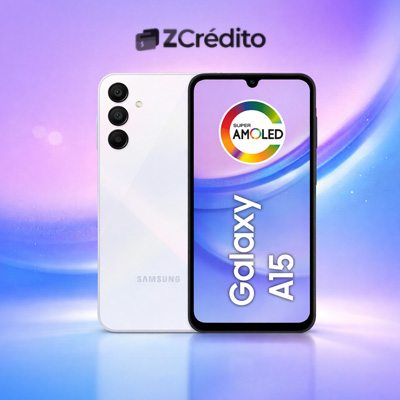
Samsung Galaxy A15 Optimized for Battery Endurance and Visual Comfort 🔵
The Samsung Galaxy A15 becomes a strong candidate among cell phones for seniors when configured with accessibility settings.
Its 6.5-inch HD+ PLS LCD display avoids excessive pixel density, favoring larger elements and softer contrast that reduces visual fatigue.
Powered by a MediaTek Helio-series chipset, the phone focuses on energy efficiency. Combined with 4GB to 6GB of RAM, it handles daily communication tasks smoothly without unnecessary background processing.
The 5000 mAh battery is one of its strongest features, frequently delivering two days of moderate use.
Samsung’s accessibility framework includes font scaling, color adjustments, voice assistance, and hearing aid support, creating a highly adaptable environment.
This model fits seniors who want modern Android flexibility with extended battery life.
iPhone SE 3rd Generation With Flagship-Level Longevity 🍎
Among cell phones for seniors, the iPhone SE stands out due to its internal longevity.
The A15 Bionic processor provides substantial performance headroom, ensuring smooth operation and software support for many years.
The 4.7-inch Retina display offers extremely high pixel density, which maintains sharp text even when font size is increased.
The physical Home button introduces tactile navigation, reducing reliance on gestures.
Apple’s accessibility ecosystem includes VoiceOver, AssistiveTouch, Emergency SOS, and advanced hearing aid compatibility.
Although battery capacity is modest, power management ensures predictable daily performance.
This device suits seniors who prioritize long-term updates, security, and compact ergonomics.
Google Pixel 8a With AI-Driven Communication Assistance 🧩
The Pixel 8a integrates AI at the system level to simplify interaction.
Its 6.1-inch OLED display delivers high contrast, making text and icons easier to distinguish, particularly for users with reduced vision.
The Tensor G3 processor emphasizes voice recognition, live transcription, and intelligent call screening.
These features reduce unwanted calls and allow seniors to interact with the device using natural speech.
Microphone arrays and noise reduction algorithms improve call clarity. Long-term security updates and a clean interface contribute to stability and ease of use.
This phone is ideal for seniors who rely heavily on voice commands and automation.
Discover the best cell phones for business, compare features, and choose the right device to boost productivity today.
Detailed Technical Comparison of Senior-Friendly Smartphones 💲
| Model | Display Type | Chipset | Key Accessibility Strengths | Avg. Price |
| Jitterbug Smart4 | 6.75″ IPS LCD | Qualcomm mid-tier | Simplified OS, SOS, HAC | $149–$179 |
| Galaxy A15 | 6.5″ PLS LCD | MediaTek Helio | Easy Mode, battery life | $190–$230 |
| iPhone SE (3rd) | 4.7″ Retina | A15 Bionic | Home button, VoiceOver | $429–$479 |
| Pixel 8a | 6.1″ OLED | Tensor G3 | Voice AI, call screening | $449–$499 |
Selecting Cell Phones for Seniors Based on Physical and Cognitive Needs 🛒
Choosing cell phones for seniors requires aligning technical features with individual abilities.
Visual clarity, audio strength, tactile feedback, and interface simplicity all influence long-term satisfaction.
Smartphones provide flexibility and communication tools, while basic phones offer predictability and ease.
Understanding these trade-offs ensures a device that remains helpful rather than frustrating.
Why Cell Phones for Seniors Deliver Lasting Practical Value 🌱
Well-designed cell phones for seniors support independence, safety, and connection.
When technical decisions prioritize stability and accessibility, devices remain usable for years without overwhelming users.
The right phone becomes a reliable daily tool, supporting communication, emergencies, and quality of life as needs evolve over time.
FAQ ❓
- What technical feature matters most in senior phones?
- Display readability, audio clarity, and battery stability.
- Are newer processors beneficial for seniors?
- Yes, they improve longevity and system stability.
- Do AI features improve usability?
- Voice control and call screening significantly reduce friction.
- Are flip phones still relevant?
- Yes, especially for tactile, call-focused use.
- How often should seniors replace their phones?
- Typically every 4–6 years, depending on software support.
